

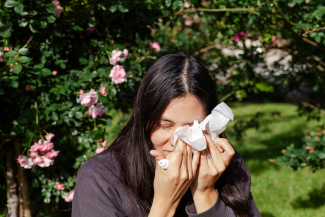
Contact lenses and hay fever: complete guide
What you need to know
Yes, most people can wear contact lenses during hay fever season. Daily disposable lenses are the safest option because you start each day with a fresh lens, removing allergen build-up. Use preservative-free eye drops compatible with lenses to manage dryness. If symptoms are severe, switch to glasses and speak to your optician.
Best lenses for hay fever: daily disposables, particularly silicone hydrogel options such as 1 Day ACUVUE MOIST or ACUVUE Oasys 1-Day.
Around 20% of people in the UK experience hay fever, and a significant number of them wear contact lenses. The combination creates a specific challenge: lenses give airborne pollen an extra surface to collect on inside the eye, which intensifies the immune response. The lens type you choose, and how you care for your eyes during the season, makes a real difference to how comfortable you are day to day.
This guide covers everything you need: why hay fever affects contact lens wear, which lenses work best, how to manage symptoms, and when to take a break.
Why hay fever affects contact lens wearers
Airborne pollen triggers hay fever, or allergic rhinitis, by activating the immune system. When pollen contacts your eyes, it inflames the conjunctiva (the thin lining of the eyelid), producing the familiar itchy, red, and watery response. Doctors call this allergic conjunctivitis, and it affects around 20% of people in the UK.
Contact lenses create an additional surface for pollen and allergens to collect on. This extends the time allergens remain in contact with the eye, amplifying the reaction. Reusable soft lenses can absorb allergens into the lens material itself over several hours of wear, which is why daily disposable lenses are consistently recommended for allergy sufferers.
Can you wear contact lenses with hay fever?
In most cases, yes. Hay fever does not mean switching to glasses for the entire season. It does mean choosing the right lens type and being thoughtful about eye care during high-pollen periods.
If symptoms are severe, eyes are very red, or lenses become genuinely uncomfortable despite fresh lenses and clean hands, rest your eyes and speak with your optician or GP. Prescription-strength antihistamine eye drops and specialist treatments can make a significant difference when over-the-counter options are not enough.
The best contact lenses for hay fever
Daily disposable lenses
Daily disposables are the recommended choice for hay fever sufferers. Each morning you insert a fresh lens; you discard any pollen or allergens that accumulated during the day along with the lens at night. There is no opportunity for allergens to build up across days or weeks, unlike with monthly or two-weekly lenses. If you currently wear reusable lenses, switching to dailies for the hay fever season is one of the most effective changes you can make.
Silicone hydrogel lenses
Silicone hydrogel lenses allow significantly more oxygen to reach the eye than standard hydrogel lenses. Low-oxygen environments dry out the ocular surface and worsen allergy symptoms, so higher oxygen transmissibility directly reduces discomfort. Many popular daily disposable options use silicone hydrogel material.
Reusable lenses during hay fever season
If you wear reusable lenses, your cleaning routine matters more during allergy season. Hydrogen peroxide-based solutions (such as those available in our contact lens solutions range) are more effective at neutralising allergen deposits than standard multi-purpose solutions. They require a full 6-hour neutralisation cycle before lens insertion, so they are not suitable for quick turnaround cleaning.
Recommended daily lenses for allergy-prone eyes
Several daily lenses are particularly well-regarded for wearers with sensitive or allergy-prone eyes:
- 1 Day ACUVUE MOIST: uses LACREON® moisture-lock technology to maintain hydration throughout the day.
- ACUVUE Oasys 1-Day: features HydraLuxe™ Technology, which integrates with the eye’s natural tear film. Suited to long days and screen-heavy environments.
- Dailies AquaComfort Plus: a well-established daily lens with a triple-action moisture system that refreshes with each blink.
Always check with your optician before switching lens types. Your prescription and ocular shape determine which lens fits correctly.
Practical tips for managing contact lenses during hay fever season
- Switch to daily disposables, even temporarily. Fresh lenses each morning eliminate allergen accumulation.
- Avoid touching or rubbing your eyes. Rubbing spreads allergens across the ocular surface and worsens inflammation.
- Use preservative-free eye drops labelled as compatible with contact lenses. These flush allergens from the eye and relieve dryness without damaging lens material.
- Wash your hands thoroughly before handling lenses.
- Check the pollen count before heading out. On high-pollen days, wearing glasses for outdoor activities reduces allergen exposure significantly.
- Wear wraparound sunglasses over your lenses outdoors. They create a physical barrier against airborne pollen.
- Remove lenses earlier in the evening if your eyes feel strained. Reducing daily wear hours on high-symptom days limits cumulative irritation.
Eye drops and contact lenses: what to know
Not all eye drops are safe to use with contact lenses in. Products containing preservatives or decongestant agents can interact with lens materials and should be applied before insertion or after removal. Look for drops explicitly labelled contact-lens-compatible or preservative-free. Brands such as Blink contacts and Systane offer formulations designed specifically for use with lenses.
Antihistamine eye drops, available from pharmacies and on prescription, are effective at reducing allergic conjunctivitis symptoms. Most should be applied before inserting lenses or after removing them. Check the specific product instructions.
A note on oral antihistamines
Oral antihistamine tablets, a common hay fever treatment, can reduce tear production as a side effect. This makes eyes drier than usual, which in turn makes lens wear less comfortable. If you notice increased dryness since starting hay fever medication, lubricating drops compatible with contact lenses can compensate. Let your optician or GP know about any medication you are taking so they can factor it into their advice.
Contact lens care during hay fever season
Replace your contact lens case every 1 to 3 months and never top up old solution with fresh. Rinse the case with fresh solution after each use and leave it open to air-dry. Even small amounts of residue can harbour the protein deposits and allergens that cause irritation.
When to take a break from lenses
There are situations where wearing glasses is the smarter choice:
- When pollen counts are very high and you will be outdoors for extended periods.
- If your eyes are already red, swollen, or painful before lens insertion.
- If lenses feel uncomfortable within an hour or two despite starting with a fresh pair.
- If you wake up with particularly pronounced symptoms.
If discomfort persists despite these measures, book an appointment with your optician. You can request an appointment through us. A professional should always assess persistent or worsening eye symptoms.
Ready for hay fever season?
Managing contact lenses during hay fever season is achievable with a bit of preparation. Switch to dailies where possible, keep lubricating drops to hand, and check in with your optician if discomfort persists. With the right setup, the season does not have to mean compromising on clear, comfortable vision.
For more eye health guidance, explore our eyecare hub, or read our contact lens wearing guide for advice on keeping your eyes healthy year-round.
Frequently asked questions
Can I wear contact lenses if I have hay fever?
Yes. Most hay fever sufferers wear contact lenses throughout allergy season without issue. Daily disposable lenses are the recommended option because each fresh lens eliminates the allergen build-up that occurs with reusable lenses. If your symptoms are severe or your eyes are very red, take a break and speak to your optician.
What are the best contact lenses for hay fever?
Daily disposable silicone hydrogel lenses are the best choice for hay fever. They deliver high oxygen transmissibility to the cornea, and discarding each lens daily removes accumulated pollen before it can cause sustained irritation. Popular options include 1 Day ACUVUE MOIST, ACUVUE Oasys 1-Day, and Dailies AquaComfort Plus.
Why do contact lenses make hay fever worse?
Contact lenses increase the surface area available for pollen and allergens to collect on inside the eye. This extends the duration of allergen contact with the conjunctiva compared with not wearing lenses, which intensifies the immune response. Reusable lenses can also absorb allergens into the lens material, releasing them gradually over hours of wear.
Can I use antihistamine eye drops with contact lenses?
Most antihistamine eye drops should be applied before inserting lenses or after removing them, not while wearing lenses. Check the specific product instructions or ask your pharmacist. Preservative-free lubricating drops labelled as contact-lens-compatible can be used while wearing lenses and help flush allergens from the eye surface.
Should I switch from monthly to daily lenses for hay fever season?
Switching to daily disposables during hay fever season is one of the most effective steps you can take. Monthly lenses accumulate allergens and protein deposits across 30 days of wear. Each fresh daily lens eliminates this problem entirely. Talk to your optician before switching, as your daily lens prescription may differ slightly from your monthly one.
How do I stop my contact lenses drying out during hay fever season?
Use preservative-free lubricating eye drops designed for contact lens wear, such as Blink contacts or Systane Ultra. Reduce daily wear hours on high-symptom days, stay hydrated, and avoid air conditioning or fans blowing directly at your face. If oral antihistamines are drying your eyes, mention this to your GP as a lower-sedation formulation may help.
When should I see my optician about hay fever and contact lenses?
Book an appointment if: lenses feel uncomfortable within 1 to 2 hours of insertion despite using fresh lenses, your vision becomes blurred while wearing lenses, your eyes remain red and inflamed after removing lenses, or over-the-counter drops and antihistamines are not controlling your symptoms. You can request an appointment through Lenstore.