
How to put in and take out contact lenses
Your first few tries at putting in and taking out contact lenses can feel fiddly, and that's completely normal. Almost every new wearer fumbles at the start, then wonders a few weeks later what the fuss was about. This step-by-step guide shows you how to get your Lenstore lenses in and out safely, and what to do when a lens won't budge.

How to put in your contact lenses
- Find a clean, well-lit area with a mirror in front of you.
- Wash and dry hands thoroughly using antibacterial soap and lint-free towels.
- Check lens orientation — if the edges of the lens are curved outward with a lip at the top, it is the wrong way around.
- Use the hand with the lens to pull the lower eyelid down.
- Pin back the upper lid with all four fingers; ensure lashes are clear.
- Slowly move the index finger toward the eye centre; place the lens on the eyeball or the white below.
- Move the eyes in different directions before releasing the lids to centre the lens.
- Release the eyelids slowly and blink several times to settle the lens.
- Repeat the same steps for your other eye once your vision comes into focus.
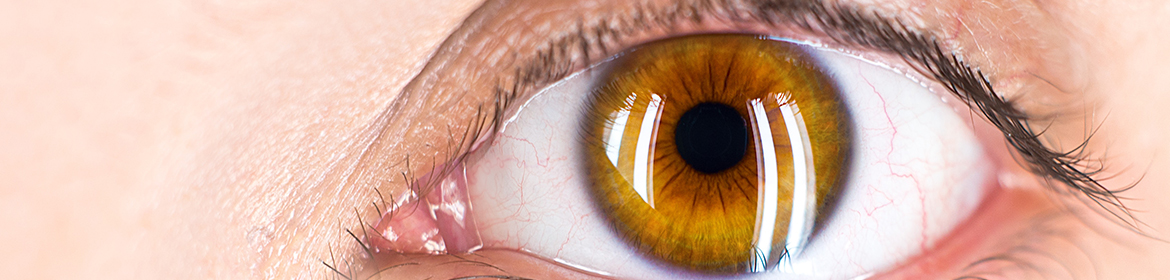
Photo by salvatore ventura on Unsplash
How to take out your contact lenses
- Wash and dry your hands thoroughly before you start handling the lenses.
- Gently pull the lower lid down with the middle finger to create space.
- Pin back the upper lid and lashes with the free hand.
- Use your index finger and thumb to gently slide the contact lens on to the white of the eye just below where your contact lens normally sits.
- Very gently, squeeze each side of the lens between your index finger and thumb to lift the lens away.
- Slowly release both lids and repeat for the other eye.
If you wear daily lenses, make sure you throw them away once you've taken them out. If you wear two-weekly or monthly lenses, storing and caring for your lenses properly is essential. Drop reusable lenses such as Acuvue Oasys into fresh contact lens solution rather than water, and if you're weighing up how often you'll do this, compare monthly contact lenses with single-use options.
Taking your contacts out for the first time
The first removal is more about nerves than technique, and that's completely understandable. Your eye will blink and water as your finger comes close, but that's a reflex rather than a problem, and it settles the moment your hands stop hovering. A few small adjustments make those early attempts far easier.
- Rest your elbows on a counter or shelf so your hands stay steady while you learn the movement.
- Keep your nails away from your eye and press only with the soft pads of your fingers, which is gentler and more accurate.
- If your eye feels dry, blink hard a few times or add a rewetting drop, because a lens glides more easily on a moist eye.
A box of daily contact lenses usually costs between £10 and £30, so a fresh pair each morning keeps early practice low-stakes. There's genuinely no rush, and nothing goes wrong if a lens folds or drops onto a clean surface while you find your rhythm.
How to take out contacts with long nails
Long or acrylic nails turn removal into a balancing act, because the last thing you want is a sharp edge anywhere near your eye. The fix is to work with the flat pads of your fingers and keep every nail pointing away from your eye rather than towards it.
- Rest a fingertip flat against the lens and slide it down onto the white, so your nail stays parallel to your eye.
- Pinch the lens using the fleshy pads on either side, not the very tips, and let it fold softly as it lifts.
- If you can't get a grip, wrap a clean, dry tissue around your finger for extra purchase before trying again.
A daily lens with a clear handling tint, such as Biotrue ONEday (78% water, with a light-blue tint), is easy to spot on your fingertip once it's out, which saves you hunting around for a lens you have already removed.
How to remove a lens that feels stuck
Every so often a lens dries out and grips your eye, or slides up out of sight, and it's easy to feel a flash of panic. Take a breath first, because a contact lens cannot slip behind your eye. The conjunctiva (the thin membrane lining your lids) wraps around and stops it, so the furthest a lens can travel is the fold under your upper eyelid. [1]
- Wash your hands, then flood your eye with a couple of rewetting drops or sterile saline, such as Systane Ultra, to float the lens free. [1]
- If the lens has slipped up under your lid, look downward as far as you can to bring it back into view. [1]
- Gently massage your closed eyelid towards the lens to nudge it back onto the white, where you can pinch it out. [1]
- Give a dried-out lens a minute or two to rehydrate rather than dragging at it, since a soft lens lifts away once it's moist.
If you've tried for a while and the lens still won't come out, or your eye stays red and sore, book in with your optician as soon as you can. [1] They have the tools to check under your lids and lift a stubborn lens safely. A gritty, watering eye can be soothed in the meantime with a lubricating drop, like Optrex Intensive, from the eye-drops range.
Removal becomes second nature faster than you would think, usually within a week or two of daily practice. If a lens ever leaves your eye feeling scratchy for more than a day, or you're simply not getting the hang of it, our eye-care advice and your optician are there to help.
Sources
[1] American Academy of Ophthalmology — a contact lens cannot travel behind the eye and can only reach the fold of the conjunctiva under the upper eyelid; float a displaced or stuck lens out with sterile saline or rewetting drops, look downward to bring it into view, gently massage the lid, and see an ophthalmologist if it cannot be retrieved or the eye is sore. aao.org
