

Contact Lenses and Makeup: Complete Guide
Wearing contact lenses and makeup together is something millions of people do every day. Eye care professionals recommend a specific routine for anyone who wears both contact lenses and makeup, and the differences between getting it right and getting it wrong are more significant than most people realise. Get it right and your look is polished, your lenses stay comfortable, and your eyes stay healthy. Get it wrong and you risk irritation, cloudy lenses, or something more serious.
This guide covers everything you need to know: the order to apply your makeup, which products to avoid, how to clean your lenses each evening, and the key rules that make a real difference to long-term eye health.
Why the Order You Apply Makeup Matters
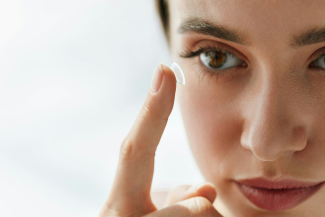
The single most important rule in the contact lenses and makeup guide: always put your lenses in before you apply makeup. It sounds simple, but it makes a real difference.
When you handle your lenses after applying hand lotion, foundation, or primer, you transfer residue directly onto the lens surface. This creates a film that blurs your vision and isn’t easy to remove. Putting lenses in first means clean hands touch a clean lens.
In the evening, the order reverses. Remove your lenses before taking off your makeup. Micellar water and makeup remover can coat lenses if they splash or drip, and rubbing your eyes to remove mascara while wearing lenses increases the risk of tearing or dislodging them.
In summary:
- Morning: wash hands, insert lenses, then apply makeup.
- Evening: wash hands, remove lenses, then remove makeup.
Products to Use and Products to Avoid
Not all makeup is contact lens-friendly. Certain formulas, ingredients, and textures pose a genuine risk to lens wearers.
Mascara
Choose a water-based, non-flaking formula. Waterproof mascaras tend to be oil-based and need more aggressive removal, which increases contamination risk. Fibre mascaras are particularly problematic: the fibres can shed and land on the lens surface, causing irritation and scratching.
Apply mascara to the tips of your lashes only. Avoid the base of the lash line, where lenses sit closest to the eye.
Eyeliner
Avoid applying eyeliner to the inner rim (the waterline). This sits directly against the tear film and is one of the most common causes of contact lens contamination. Bacteria and pigment particles can transfer to the lens surface and introduce infection risk.
Pencil eyeliner applied above the lash line is generally safer than liquid or gel formulas on the waterline. We don’t recommend kohl liners for lens wearers as they migrate easily. For more on how eyeliner affects eye health, read our guide to whether eyeliner is bad for your eyes.
Eyeshadow
Loose powder eyeshadow is the product most likely to drop particles onto the lens. Use a pressed powder formula where possible. Tap excess pigment from your brush before applying, and always blend with your eyes looking downward rather than forward.
If you wear coloured contact lenses, bear in mind that shimmer-heavy eyeshadow increases the risk of particle contamination.
Foundation and Skincare
Silicone-based primers and foundations are the most problematic for lens wearers. If these products get onto the lens surface, they create a smearing effect that is very difficult to resolve without removing the lens. Keep them well away from the eye area and wash your hands thoroughly after application before touching your lenses.
Oil-based skincare products, including facial oils and heavy moisturisers, should always go on after lenses are in, and should have time to absorb before you touch the eye area.
Lash Glue and False Lashes
False lashes work fine with contact lenses, but do require care. Apply lash glue away from the eye and allow it to become tacky before placing the lash. Wet glue that makes contact with a lens can cause it to stick to the eye. If you use lash extensions, speak to your optician about the best approach for your lens type.
The Best Contact Lenses for Makeup Wearers
The type of lens you wear affects how makeup interacts with your eyes.
Daily contact lenses are the most hygiene-friendly option for regular makeup wearers. You start with a fresh lens each morning, which eliminates the build-up of cosmetic residue that can accumulate on reusable lenses over time. If any makeup makes contact with the lens during the day, you can simply discard it that evening.
If you wear monthly or two-weekly lenses, thorough cleaning every evening is essential. Makeup residue that stays on the lens builds up over the wear cycle, reducing oxygen permeability and comfort.
Dry Eyes, Makeup, and Contact Lenses
Many makeup products reduce tear film stability, which can aggravate dry eye symptoms. Lens wearers who wear makeup regularly are more likely to experience end-of-day dryness, particularly if they work in air-conditioned environments or look at screens for long periods.
A few things that help:
- Choose fragrance-free and preservative-free products where possible.
- Use lubricating eye drops designed for contact lens wearers. Check the label confirms compatibility.
- Avoid applying any product to the inner corner of the eye, where the tear duct sits.
- Take regular breaks from screens to reduce evaporation from the lens surface.
If you already experience dry eye syndrome regularly, speak to your optician before adding new makeup products to your routine.
Removing Makeup Safely in the Evening
Removing makeup properly is just as important as applying it correctly. Start by removing your contact lenses.
Then take off your eye makeup using a gentle, oil-free remover. Micellar water works well for most eye makeup. If you wear heavy or waterproof products, use a dedicated eye makeup remover applied with a cotton pad. Press gently and hold over the eye rather than rubbing, which can cause lash loss and irritate the delicate skin around the eye.
Wash your hands thoroughly before handling your lenses at any point in this routine. Any makeup residue on your fingers can transfer to the lens if you need to reinsert it (for example, if you removed one to deal with a speck of mascara during the day).
If you wear reusable lenses, clean them with fresh solution after every removal. Don’t top up old solution. Browse our range of contact lens solutions for guidance on the right product for your lens type.
Signs That Makeup Is Affecting Your Lenses
It’s not always obvious when makeup is causing a problem. Common signs include:
- Blurred vision that improves after blinking or removing the lens.
- A gritty or scratchy sensation during the day.
- Redness or irritation that develops gradually after applying makeup.
- Visible discolouration on the lens surface.
- Increased sensitivity to light.
If you notice any of these symptoms regularly, review your makeup routine and products. If discomfort, redness, or changes in vision persist, see your optician. Never ignore symptoms and carry on wearing lenses: some eye infections can escalate quickly.
Quick Reference: Dos and Don’ts for Contact Lens Wearers
Do:
- Put your lenses in before applying makeup.
- Use water-based, fragrance-free formulas.
- Apply eyeliner above the lash line only.
- Wash your hands before touching your lenses at any point.
- Remove lenses before removing makeup.
- Clean or discard lenses every evening.
Avoid:
- Applying anything to the waterline.
- Fibre mascaras or loose powder products near the eye.
- Oil-based primers or foundations near the eye area.
- Sleeping in contact lenses, particularly after a full day of wearing makeup.
- Sharing eye makeup products with other people.
Get the basics right and lenses and makeup work together without a second thought. If you’re new to lenses, our guide to how to put in and take out contact lenses is a good place to start.