
Why do my contact lenses feel uncomfortable?
Quick answer
Uncomfortable contact lenses are usually caused by dryness, incorrect fit, worn-out lenses, irritants like dust or makeup, or an underlying eye condition. Most cases are easy to fix once you identify the cause.
When lenses stop feeling invisible
At their best, contact lenses are something you barely notice. You put them in, get on with your day, and that is that. So when something starts to feel off, whether it is a scratchy sensation, redness, or a general feeling that something is not quite right, it is worth paying attention.
The good news is that lens discomfort is more common than you might think, and it often has a straightforward explanation. Here, we walk through the most likely causes and what you can do to feel more comfortable fast.
Dry eyes and lens dehydration
Dryness is the number one reason people experience lens discomfort. As the day goes on, lenses can lose moisture, especially if you spend long hours in air-conditioned offices, staring at screens, or in dry or windy environments.
If your lenses feel gritty, tight, or like they are sticking to your eye towards the end of the day, dehydration is likely the culprit.
What to try:
- Use eye drops designed for use with contact lenses. These rewet the lens and soothe the eye without causing irritation.
- Blink more consciously, particularly when working at a screen.
- Consider switching to a lens with a higher water content or moisture technology. Daily lenses often perform better in this respect.
- Take your lenses out earlier in the evening if dryness is a persistent issue.
The lens is inside out
It sounds basic, but wearing a lens inside out is one of the most common causes of sudden, unexplained discomfort. The lens will not damage your eye, but it will not sit correctly, which means reduced comfort and potentially blurred vision.
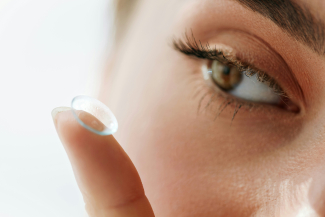
To check, place the lens on your fingertip and look at its shape from the side. If the edges flare outwards like a soup bowl, it is inside out. If it forms a smooth U shape with straight edges, it is the right way round.
The fit is not quite right
Contact lenses come in different base curves and diameters, and a lens that does not match your eye shape will never feel truly comfortable. This is exactly why a prescription from a qualified optician matters. If you are new to lenses or have recently changed brands, it is worth checking with your optician that the fit is correct.
Signs the fit might be off include lenses that move around too much when you blink, lenses that feel tight or immovable, and persistent irritation after the initial settling-in period.
You can request an appointment to get your fit reviewed if you have any concerns.
Wearing lenses for too long
Every lens has a recommended wearing schedule for good reason. Wearing daily contact lenses beyond a single day, or keeping monthly contact lenses in for longer than advised, allows protein and deposit build-up on the lens surface. This makes lenses feel rougher, reduces oxygen flow to the eye, and can lead to irritation or infection.
If your lenses are due for replacement and you have been putting it off, that scratchy feeling is your cue to swap them out. Fresh lenses almost always feel noticeably better.
Debris, dust, or a rogue eyelash
Sometimes the cause is the simplest one: something has got under the lens. Dust, a stray eyelash, or tiny particles from your environment can become trapped between the lens and your eye, causing a sharp or scratchy sensation that appears suddenly.
If this happens, remove the lens carefully, rinse it with fresh solution, and reinsert. If the discomfort continues after reinsertion, remove the lens and rest your eyes for a while before trying again.
Always use a proper contact lens solution to clean your lenses. Never rinse them with tap water.
Makeup and skincare products
Makeup residue, face creams, and even certain hand moisturisers can transfer to your lenses and cause irritation. This is particularly common with mascara, eyeliner, and oil-based skincare.
To reduce the risk:
- Always insert your lenses before applying makeup.
- Remove lenses before taking makeup off.
- Wash and dry your hands thoroughly before handling lenses.
- Avoid oil-based products around the eye area on lens-wearing days.
An eye infection or allergy
If your eyes are red, watery, or producing discharge alongside the discomfort, you may have an eye infection or an allergic reaction. In these cases, stop wearing your lenses immediately and contact an optician or GP.
Wearing lenses when your eyes are infected can make things significantly worse and may delay recovery. If you suffer from seasonal allergies, your eyes may also be more sensitive during high pollen periods, which can make wearing lenses harder.
Our eyecare guide covers safe wearing practices in more detail, including what to watch out for.
When to stop wearing lenses and seek advice
Most discomfort is mild and resolvable at home. But there are situations where you should stop wearing your lenses and see a professional:
- Significant redness that does not settle after removing the lens
- Sharp pain rather than a general irritation
- Sudden change in vision
- Swelling, discharge, or sensitivity to light
- Symptoms that persist for more than a day or two
When in doubt, take your lenses out. Your eye health is always the priority.
Frequently asked questions
Why do my contact lenses feel uncomfortable after a few hours?
This is usually down to lens dehydration, especially if you work in a dry or air-conditioned environment or spend long hours at a screen. Try rewetting drops designed for lens wearers, or consider switching to a lens with better moisture retention.
Can wearing contact lenses overnight cause discomfort?
Yes. Unless your lenses are specifically approved for overnight wear, sleeping in lenses reduces oxygen flow to the cornea and significantly increases the risk of irritation and infection. Only extended wear contact lenses are designed for overnight use, and only when confirmed as suitable by your optician.
Why do new contact lenses feel uncomfortable?
It is completely normal for new lenses to feel a little different, especially if you have changed brand or lens type. Your eyes typically adapt within a few days. If discomfort persists beyond a week, or if there is any pain or redness, check in with your optician to make sure the prescription and fit are correct.
Can contact lens solution cause irritation?
Yes, some people are sensitive to preservatives found in certain multipurpose solutions. If you notice stinging or redness shortly after inserting lenses you have just cleaned, try switching to a preservative-free solution or a hydrogen peroxide system. Always consult your optician before changing care products.
What should I do if something gets under my contact lens?
Remove the lens, rinse it thoroughly with fresh solution, and reinsert. If the sensation persists, remove the lens and rest your eye. Never rinse lenses with tap water, as this can introduce harmful microorganisms.
Could my discomfort be caused by the wrong prescription?
An incorrect prescription can cause eye strain and general fatigue, which can contribute to discomfort, though it is less commonly the direct cause of a scratchy or irritated sensation. If your vision has changed or you have not had an eye test recently, it is worth booking a check-up.