

An easy guide to your eye’s anatomy
Your Eye's Surface
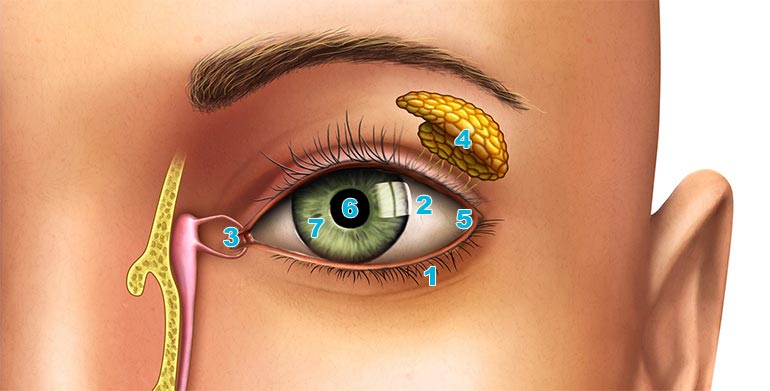
The human eye is an incredibly complex organ, made up of multiple structures that work together to help you see clearly.
From the eyelids that protect the surface of the eye, to the retina and optic nerve that send visual information to the brain, each part plays a vital role in eye health and vision.
This guide breaks down the main parts of the eye in a simple, easy-to-understand way.
Quick Answer: What Are the Main Parts of the Eye?
The main parts of the eye include the eyelid, cornea, pupil, iris, lens, retina, macula, and optic nerve. These structures work together to protect the eye, focus light, convert it into signals, and transmit visual information to the brain.
Key takeaways:
- The cornea and lens focus light
- The pupil and iris control how much light enters
- The retina and macula process detailed vision
- The optic nerve carries signals to the brain
Eye Anatomy at a Glance
| Part of the Eye | Main Function |
|---|---|
| Eyelid | Protects the eye and spreads tears |
| Sclera | Supports the eyeball structure |
| Tear duct | Drains excess tears |
| Lacrimal gland | Produces tears |
| Conjunctiva | Lubricates and protects the eye surface |
| Cornea | Focuses light and filters harmful rays |
| Iris & pupil | Controls light entry |
| Lens | Sharpens focus onto the retina |
| Retina | Converts light into electrical signals |
| Macula | Provides central, detailed vision |
| Optic disc | Creates the eye’s blind spot |
| Optic nerve | Sends visual signals to the brain |
| Vitreous | Maintains eye shape and structure |
1. Eyelid
What is it?
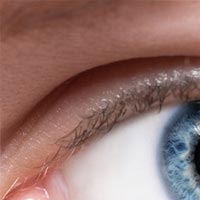
Your eyelid is a thin fold of skin, lined with a row of eyelashes. Each eye has an upper and lower eyelid, and they can be opened and closed by special muscles.
What does it do?
Eyelids protect the front of the eye by blocking debris and reducing infection risk.
They also prevent dryness by spreading tears across the cornea every time you blink.
2. Sclera
What is it?
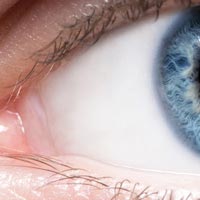
The sclera is commonly known as the “white of the eye.” It surrounds the iris and provides the outer structure of the eyeball.
What does it do?
The sclera is made of tough tissue that helps the eye maintain its shape and protects it from injury.
It also provides an attachment surface for several ocular muscles.
3. Tear Duct
What is it?
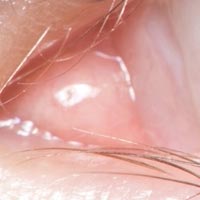
The tear duct (nasolacrimal duct) is located in the inner corner of your eye, closest to your nose.
What does it do?
Tear ducts drain excess tears away from the eye and into the nasal cavity.
This is why your nose may run when you cry or experience watery eyes.
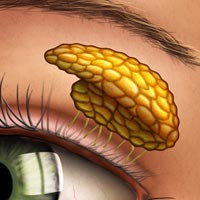
4. Lacrimal Gland
What is it?
The lacrimal glands sit above each eye in the upper part of the eye socket.
What does it do?
Their main role is producing tears, which:
- Moisturise the cornea
- Keep the eye clean
- Reduce irritation through lubrication
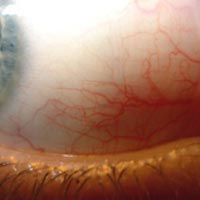
5. Conjunctiva
What is it?
The conjunctiva is the thin membrane lining the inside of your eyelids and covering most of the sclera.
What does it do?
It helps spread tears evenly across the surface of the eye, keeping it lubricated.
Inflammation of the conjunctiva causes conjunctivitis (pink eye).
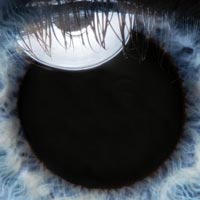
6. Pupil
What is it?
The pupil is the small black opening in the centre of your eye, surrounded by the iris.
What does it do?
The pupil controls how much light enters the eye.
It becomes smaller in bright light and larger in darkness to improve vision in dim conditions.
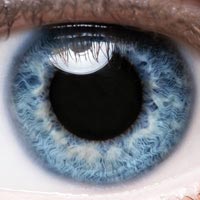
7. Iris
What is it?
The iris is the coloured ring of the eye, made up of pigment cells that determine eye colour.
What does it do?
The iris contains muscles that adjust pupil size, helping regulate light entry.
It also separates the front chambers of the eye.
Inside Your Eye
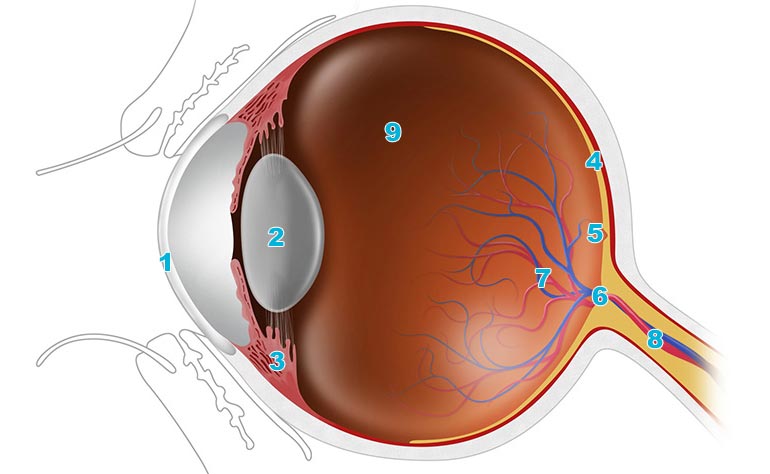
1. Cornea
What is it?
The cornea is the transparent outer layer covering the iris and pupil.
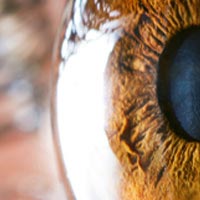
What does it do?
The cornea:
- Focuses incoming light (about two-thirds of the eye’s optical power)
- Protects against foreign objects
- Filters some harmful UV rays
2. Crystalline Lens
What is it?
The crystalline lens sits just behind the iris and is suspended by tiny ligaments.
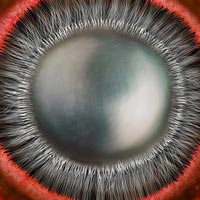
What does it do?
The lens changes shape to focus light onto the retina.
- Rounder shape = near vision
Flatter shape = distance vision
3. Ciliary Body
What is it?
The ciliary body surrounds the lens and connects it to the rest of the eye.
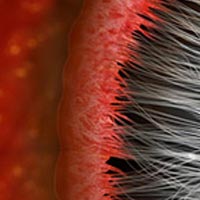 What does it do?
It contains muscles and ligaments that control lens focusing.
It also produces aqueous humour, the fluid filling the front chambers of the eye.
4. Retina
What is it?
The retina is the light-sensitive layer lining the inside back of the eye.
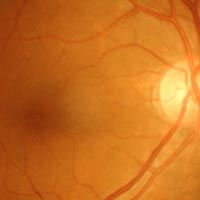
What does it do?
The retina converts light into electrical signals, which are sent to the brain through the optic nerve.
Without the retina, vision would not be possible.
5. Macula
What is it?
The macula is a small, sensitive area near the centre of the retina.
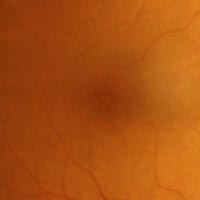
What does it do?
The macula provides sharp central vision needed for:
- Reading
- Recognising faces
- Seeing fine detail
6. Optic Disc
What is it?
The optic disc is where the optic nerve connects to the retina.
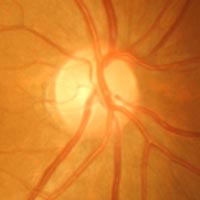
What does it do?
It is the starting point for visual information travelling to the brain.
Because it contains no photoreceptors, it creates the eye’s natural blind spot.
7. Central Retinal Vein and Artery
What are they?
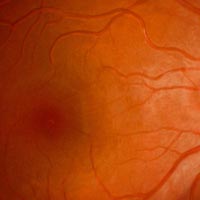
These blood vessels run along the back of the retina.
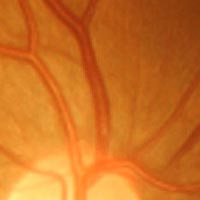
What do they do?
They provide the retina with oxygen and nutrients, while carrying waste away.
Healthy blood flow is essential for retinal function.
8. Optic Nerve
What is it?
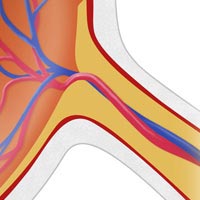
The optic nerve connects the eye to the brain and begins at the optic disc.
What does it do?
It transmits visual signals from the retina to the brain.
It contains around 1.2 million nerve fibres, acting like the eye’s communication cable.
9. Vitreous
What is it?
The vitreous is a clear gel filling the space between the lens and retina, making up about 80% of the eye’s mass.
What does it do?
It helps maintain the eye’s shape and keeps the retina pressed in place.
Because it has no blood supply, anything entering the vitreous may remain unless removed surgically.
Key Takeaways
Understanding the anatomy of the eye helps explain how vision works and why proper eye care matters.
Each structure — from the cornea to the retina and optic nerve — plays a role in protecting the eye and producing clear sight.
Explore Lenstore Eye Care Products
Now that you have a better understanding of how the eye works, why not explore Lenstore’s range of eye care essentials and contact lenses?
Lenstore offers products including:
- Lubricating eye drops
- Contact lens solutions
- Lens cases and accessories
These can help you maintain comfort and support long-term eye health.
