

What is hypermetropia?
Tired eyes, headaches after close work and trouble seeing nearby things are common signs. [1] It's easy to check at an eye test, and glasses or contact lenses can usually correct it. [1]
Is hypermetropia a disease?
No. Hypermetropia isn't an eye disease, even though people often call it one. It's a focusing problem, which eye experts call a refractive error. The shape of your eye stops light from landing neatly on the retina. [2] It isn't contagious. Once an optician measures it, plus-powered lenses bring close-up vision back into focus. [1] Your sight can change over the years, so your optician will check for changes at your regular eye tests.
Hypermetropia isn't the same as presbyopia, the age-related loss of near focus that most people notice in their 40s, though both make close-up things harder to see.
Causes
Your eye is like a camera. It focuses light on the back of your eye (on a place called the retina), which provides you with clear vision. Long sight happens when light isn't focused on the retina but behind it. [2]
There are two common reasons for this:
- Your eyeball may be shorter than usual from front to back. This means the retina sits too close to the front of the eye, so light reaches it before it's in focus. [2]
- Your cornea may be too flat. The cornea is the clear front of your eye, and it should be curved to bend light onto the retina. [1][2]
Either way, the result is blurry close-up vision, which can affect your daily life. Long sight often runs in families, and it can't be prevented. [1]
Hypermetropia in children
Most children are a bit long-sighted, yet their sight isn't blurry. [2] As they grow, the eye gets longer and mild long sight often fades or goes away. [2] Young eyes can also flex their focus to make up for it, so a child may see well and not know there's a problem. [2]
If a child's long sight is strong, a lazy eye or a squint is more likely. [1] With a lazy eye, the brain starts to favour the stronger eye, and the weaker one doesn't learn to see as well. That's why regular eye tests for children matter, and NHS eye tests are free for under-16s. [1]
Photo by Rhett Wesley on Unsplash
Treatments for hypermetropia
If you think you may be long-sighted, let your optician know. They can check at an eye test and give you a prescription if you need one. [1] Not sure what that involves? Your eye test explained walks you through each step.
Once your optician finds long sight, there are three main ways to correct it. These are glasses, contact lenses and laser surgery. [1]
Glasses

Photo by Nicole Honeywill on Unsplash
Long sight can be corrected with plus-powered lenses. They help focus light onto the right part of the retina, so close-up things look clearer. [1]
Contact Lenses
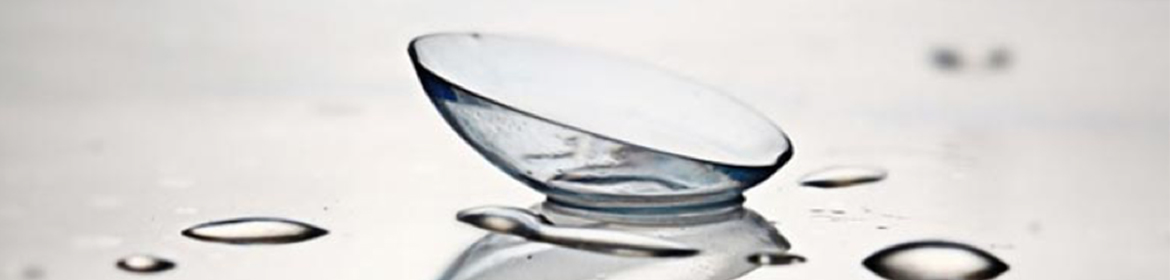
Contact lenses are another option, though you'll still need a pair of glasses as a backup for days you can't wear your lenses. They're plus-powered too, to bend light onto the retina. Your lens prescription is likely to differ from your glasses one. The NHS notes that contact lenses are usually best suited to adults, and our guide to what age you can wear contact lenses explains more. [1]
You can get plus powers in different wear schedules, including daily and monthly disposables. Daily disposables such as 1 Day ACUVUE MOIST and our own-label everclear ELITE give you a fresh pair each morning with nothing to clean, while monthlies can work out better value over a full year. Talk to your optician about the best option to suit your lifestyle.

Laser Surgery
Photo by Piron Guillaume on Unsplash
Some people with long sight can have laser surgery, which reshapes the cornea to change how the eye focuses. [1] It corrects the sight you have now. But it doesn't stop your eyes from changing later on. So talk through the pros and cons with your optician before you decide. These treatments aren't usually free on the NHS. [1]
Once your optician has prescribed contact lenses, browse our range to find the pair that suits you. We stock leading brands, including Acuvue and our own-label everclear. If it turns out you are short-sighted rather than long-sighted, our guide to myopia explains how that works.

[1] NHS, "Long-sightedness" (reviewed Feb 2023) — long-sightedness (hypermetropia) makes nearby things hard to see; symptoms include tired eyes and headaches; it's usually corrected with glasses or contact lenses, which are usually only suitable for adults; it can be caused by the shape of the eye or cornea and is often passed on from parents; young children with severe long-sightedness are more likely to develop lazy eye and squint; NHS eye tests are free for under-16s; laser surgery reshapes the cornea and is not usually available on the NHS. nhs.uk
[2] American Academy of Ophthalmology, "Farsightedness: What Is Hyperopia?" (Jul 2025) — the eye may be shorter than normal from front to back or the cornea too flat; children's eyes grow longer and mild farsightedness is reduced or eliminated; most children are farsighted without blurry vision; hyperopia is a refractive error with light focusing behind the retina; the flexible lens in a child's eye makes focusing (accommodation) easier. aao.org