
Hazel eyes

Hazel eyes: colour, rarity and what makes them unique

Updated February 2026

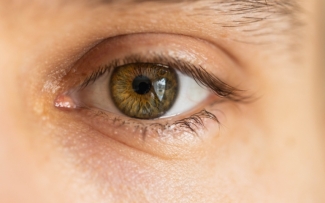
Often described as a striking mix of green, brown and gold, hazel eyes are known for their ability to appear different depending on lighting and surroundings.

In this guide, we’ll explore:

Green Eyes

Green eyes hold a special spot on the human eye colour spectrum. This attention-grabbing hue can range from a light, smoky sage to a deep emerald green. Some green-eyed people even have specks of blue, brown, or gold on their irises.

But appearance isn't the only thing that's captivating about green eyes. Here's a closer look at this unique colour.

Brown Eyes

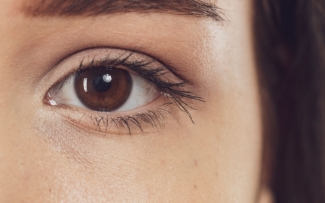
There are a few kinds of brown eyes — light, dark, and everything in between — and each shade has a striking appearance. Though the eye colour is common in people around the globe, brown eyes are unique to each individual who has them. Read on to learn what makes brown eyes special, what causes a person to have them, and what benefits they can provide.

Amber eyes

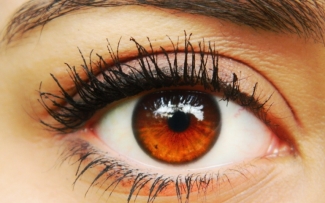
People with amber eyes have irises that combine brown with a yellow or golden hue. The iris is the tinted ring around the pupil that gives each eye its colour. Amber eyes sometimes resemble light brown eyes, but they're set apart by a warmer, honey-tinted tone.

How rare is amber eye colour?

Amber eyes are quite rare. It’s estimated that only 5% of people globally (1 in 20) have an amber eye colour.

Blue eyes

Blue is perhaps one of the most captivating eye colours in the world. Ranging from deep sapphire to brilliant light blue, this eye colour is found in a range of stunning shades, making it a fascinating feature for many people.

Read on to discover how rare blue eyes are, what causes this eye colour, and other interesting blue eyes facts.

What are aspheric contact lenses?

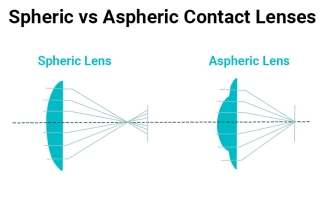
When it comes to contact lenses, wearing the right lens shape for the curvature of your eye is essential for achieving your clearest vision. Standard contact lenses have a spherical shape, meaning the curvature is consistent throughout the lens. But if you have an uneven cornea or irregular eye shape, aspheric contacts may be a better choice for your vision correction.

About scleral contact lenses

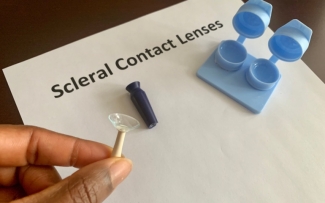
Scleral lenses are a type of contact lens used to treat a variety of eye and vision conditions. These lenses are larger than regular contacts, allowing them to rest on the sclera (the white part of the eye) and conjunctiva (the clear tissue lining the front of the eye and inner eyelids). They arch over the cornea (the clear front layer of the eye), creating a smooth, even surface that enhances vision correction.

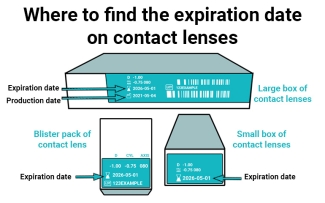
Do contact lenses expire?

Contact lenses offer a convenient way to correct your vision in a frame-free alternative to wearing glasses. However, like many other medical devices, they don’t last forever. Contacts typically expire about four years after their packaging date, though this can vary by manufacturer.

Is bad eyesight genetic?

Poor vision is a common concern for many people around the world. Understanding what factors lead to vision problems can help you maintain your eye health and prevent worsening vision or eye-related issues. 

Read on to learn about eye conditions that cause poor vision, hereditary eye conditions, and other factors that can affect your eyesight.

Subscribe to