
How long can you wear contact lenses per day?

Quick answer 

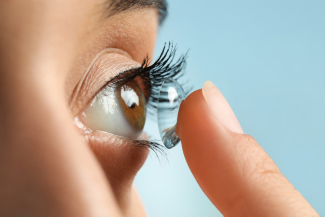
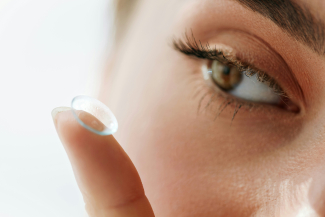
Most opticians recommend wearing contact lenses for no longer than 10 to 12 hours per day. The exact limit depends on your lens type, whether your lenses are approved for overnight wear, and your individual eye health. Always follow your optician’s specific guidance. 

What happens if you wear contact lenses for too long?

Wearing your contact lenses for too long deprives your eyes of oxygen, which can lead to redness, discomfort, blurry vision, and a higher risk of infection. Most soft lenses are safe to wear for 8 to 12 hours a day. If your eyes feel sore or irritated, remove your lenses straight away and give your eyes time to rest.

Contact lenses in summer: heat, pools and festivals

Heat, chlorine and sweat can dry your contact lenses out fast, and pool water is basically a bacteria party your eyes did not RSVP to. Pack daily disposable lenses for swimming and festivals, keep rewetting drops handy for dry eye moments, wear proper UV sunglasses, and always take your lenses out before a shower or a hot tub. 

Heading to the USA? What Every Contact Lens Wearer Needs to Know Before You Fly

America is one of the most exciting travel destinations in the world. Whether you're counting down the days to a New York city break, a road trip through California, or a family holiday to Florida, there's so much to look forward to. But if you wear contact lenses, there's one very important thing you need to sort out before you pack your bags — and it's not something you can fix once you land.

What is base curve and diameter on contact lenses?

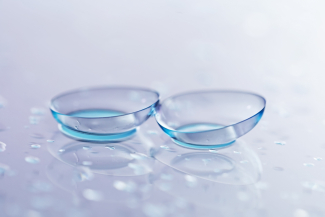
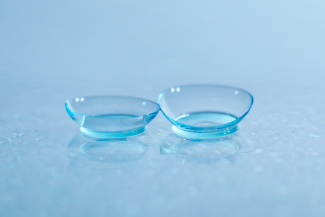
When you order contact lenses, you’ll see measurements listed on your prescription and packaging — most commonly BC (base curve) and DIA (diameter).

These numbers determine how your contact lenses fit on your eye. A correct fit helps ensure:

  • Clear, stable vision
  • Comfortable wear throughout the day
  • Healthy contact lens movement
  • Proper oxygen flow to the cornea

Even small differences in these measurements can affect how your lenses feel and perform.

Grey Eyes

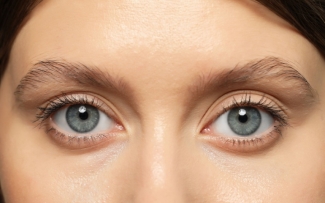
Often admired for their light appearance, grey eyes stand out for their complexity and distinctiveness. They differ from other light-coloured eyes not just in hue, but in structure, melanin concentration, and how light interacts with the iris.

The subtle interplay of light gives them a unique depth, often shifting slightly in tone depending on the environment. These characteristics make grey eye colour both rare and fascinating to explore.

Subscribe to